"Karina took the time to understand our family's situation before recommending anything. The estate plan she put together gave us real peace of mind."
MGMaria G.
Miami, FL
Get legal guidance through probate and estate administration with support designed to help families manage responsibilities, timelines, and next steps with confidence.
featured on








"Karina took the time to understand our family's situation before recommending anything. The estate plan she put together gave us real peace of mind."
"I was facing a complicated tax matter and didn't know where to start. KVasquez Law gave me a clear plan and walked me through every step."
"Finally, a tax attorney who speaks plain English and Spanish. She explained everything without the legal jargon."
"KVasquez Law helped me get my estate plan in order after years of putting it off. Clear process, no pressure, and everything was explained in plain language."

Losing a loved one is difficult enough without the added pressure of navigating a legal process you have never encountered before. Probate and estate administration involve court filings, legal deadlines, creditor notifications, asset management, and distribution requirements that must be handled correctly and in the right sequence.
KVasquez Law guides personal representatives, trustees, and families through the probate and estate administration process in Florida with direct legal support at every stage. Karina reviews the specific circumstances of the estate, explains what is required and in what order, and manages the legal process so families can focus on what matters rather than on paperwork and court procedures.

Probate is the court-supervised process of validating the will, settling debts, and distributing assets to beneficiaries. Florida recognizes two forms:
KVasquez Law advises on which process applies and manages the legal requirements from filing through final distribution.
When a person passes without a valid will, Florida's intestacy laws determine how the estate is distributed. KVasquez Law advises families on the applicable rules and manages the administration process on their behalf.
The personal representative carries significant legal responsibilities including asset management, creditor notification, tax filings, and distributions to beneficiaries. These duties carry personal liability if not handled correctly. KVasquez Law manages the process and protects personal representatives from exposure throughout.
Assets passing through a revocable living trust avoid probate but still involve legal obligations. KVasquez Law advises successor trustees on their duties and manages the administration process to ensure it is handled correctly.
Multi-state property interests may require ancillary probate proceedings. KVasquez Law also advises on creditor claims, will contests, and disputed distributions arising during the administration process.
Probate in Florida involves specific court procedures, filing requirements, and legal deadlines that vary depending on the size and complexity of the estate. An error or missed deadline can extend the process, create personal liability for the personal representative, or result in adverse outcomes for beneficiaries.

KVasquez Law manages the full probate and estate administration process on behalf of the personal representative or trustee. This includes preparing and filing all required court documents, managing creditor notification and claim periods, coordinating asset appraisals and valuations, and preparing the final accounting and distribution documents.
A personal representative who fails to carry out their duties correctly can be held personally liable to beneficiaries or creditors for losses resulting from that failure. KVasquez Law advises personal representatives at every step so they understand their obligations and are protected from personal exposure throughout the administration process.
Estate disputes among family members or between the estate and creditors are not uncommon and can significantly delay and complicate the administration process. KVasquez Law advises on dispute resolution strategies focused on reaching a resolution that protects the estate and the interests of the beneficiaries without unnecessary litigation.
Estate administration involves tax obligations including the filing of the decedent's final income tax return, potential estate tax filings depending on the size of the estate, and income tax considerations during the administration period. Karina's background in tax law means these obligations are addressed as an integrated part of the estate administration process rather than as an afterthought.
Not necessarily. Assets that pass by operation of law, such as jointly held property with right of survivorship, assets with named beneficiaries such as life insurance and retirement accounts, and assets held in a properly funded revocable living trust, pass outside of probate. Only assets titled solely in the decedent's name without a designated beneficiary are subject to the probate process.
Formal administration in Florida typically takes a minimum of several months and often longer depending on the complexity of the estate, the number of creditors, and whether any disputes arise. Summary administration can be completed more quickly for qualifying estates. KVasquez Law will give you a realistic timeline based on the specific estate at the outset of the engagement.
The personal representative is the individual or institution appointed by the court to administer the estate. Their responsibilities include locating and managing estate assets, notifying and paying creditors, filing required tax returns, and distributing the remaining assets to beneficiaries. The personal representative has a legal duty to act in the best interests of the estate and its beneficiaries and can be held personally liable for failures to do so.
If there is no valid will, the estate is distributed according to Florida's intestacy laws. For most estates that means assets pass first to a surviving spouse, then to descendants, and then to other family members in a defined order of priority. The probate process still applies and the court appoints a personal representative to administer the estate.
Yes, with proper planning. A revocable living trust, joint ownership with right of survivorship, beneficiary designations on financial accounts and insurance policies, and payable-on-death designations can all transfer assets outside of probate. KVasquez Law advises on estate planning strategies that minimize or eliminate the need for probate as part of a comprehensive estate plan.


Whether you are just beginning the probate process or are already in the middle of it, KVasquez Law provides direct legal guidance to help you navigate your responsibilities and protect the interests of the estate and its beneficiaries.
Phone
(305) 359-7522
legal@kvasquezlaw.com
Office Address
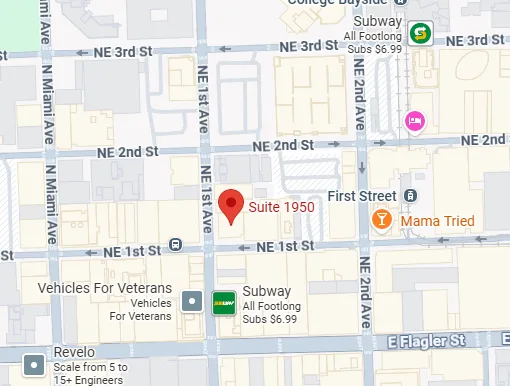
1200 Brickell Avenue, Suite 1950, Miami, FL 33131