"Karina took the time to understand our family's situation before recommending anything. The estate plan she put together gave us real peace of mind."
MGMaria G.
Miami, FL
KVasquez Law advises individuals and businesses in Miami on FATCA compliance, FBAR reporting, offshore tax exposure, and cross-border tax matters with direct, practical legal counsel.
featured on








"Karina took the time to understand our family's situation before recommending anything. The estate plan she put together gave us real peace of mind."
"I was facing a complicated tax matter and didn't know where to start. KVasquez Law gave me a clear plan and walked me through every step."
"Finally, a tax attorney who speaks plain English and Spanish. She explained everything without the legal jargon."
"KVasquez Law helped me get my estate plan in order after years of putting it off. Clear process, no pressure, and everything was explained in plain language."

Miami's diverse international community means that cross-border tax matters are more common here than in most US cities. US citizens and green card holders living abroad, foreign nationals with US income or assets, and business owners with international operations all face tax obligations that go beyond a standard domestic return.
The consequences of non-compliance in international tax matters are severe. FBAR penalties alone can reach tens of thousands of dollars per violation, and willful violations carry criminal exposure. At the same time, there are legal pathways to come into compliance, resolve past exposure, and structure your affairs going forward in a way that meets your obligations without unnecessary tax burden.
KVasquez Law advises on the full range of cross-border tax matters with a practical, compliance-focused approach built around your specific situation.
State and local tax disputes have their own procedures, timelines, and administrative requirements that differ from IRS matters. Missing a deadline or responding without understanding the applicable process can waive your rights or limit your options in ways that are difficult to reverse.
US persons are required to file an FBAR with the Financial Crimes Enforcement Network (FinCEN) if the aggregate value of their foreign financial accounts exceeds ten thousand dollars at any point during the calendar year. Key points:
FATCA requires US taxpayers with specified foreign financial assets above certain thresholds to report those assets on Form 8938, which is filed with their federal income tax return. Key points:
For US taxpayers who have fallen behind on FBAR or FATCA reporting, the IRS offers streamlined filing procedures that allow qualifying individuals to come into compliance with reduced penalties. KVasquez Law advises on eligibility for these programs and manages the submission process to achieve the best available outcome.
Cross-border tax matters extend beyond FBAR and FATCA. KVasquez Law advises on the full range of international tax issues affecting individuals and businesses with cross-border financial activity.

US citizens and green card holders are taxed on their worldwide income regardless of where they live. This creates complex tax obligations for Americans living or working abroad, including:
Foreign nationals with US-source income, US real property, or US business interests face their own set of tax obligations:
Business owners and companies operating across borders face international tax considerations that require careful planning:
For individuals or businesses with unreported foreign income or accounts, coming into compliance proactively is almost always preferable to waiting for the IRS to act. KVasquez Law advises on the available disclosure pathways, including streamlined procedures and other compliance programs, to resolve past exposure in the most favorable way available under the current enforcement environment.
If the aggregate value of all your foreign financial accounts exceeded ten thousand dollars at any point during the year, you are required to file an FBAR. This applies regardless of whether the accounts generated any income and regardless of whether you already reported the accounts on your tax return. The FBAR is a separate filing requirement with its own deadline and its own penalty structure.
Missing FBAR filings in prior years creates penalty exposure, but there are compliance programs available for taxpayers who come forward voluntarily. The streamlined filing procedures allow qualifying non-willful violators to file delinquent FBARs with significantly reduced penalties. KVasquez Law reviews your specific situation and advises on the best available compliance pathway before any submission is made.
Both relate to foreign financial assets but they are separate requirements filed with different agencies. FBAR is filed with FinCEN and covers foreign financial accounts above ten thousand dollars in aggregate. FATCA Form 8938 is filed with the IRS as part of your tax return and covers a broader range of foreign financial assets above higher reporting thresholds. Many taxpayers with significant foreign holdings are required to file both.
Yes. The United States taxes its citizens and green card holders on worldwide income regardless of where they live. Americans abroad are required to file US federal tax returns and comply with FBAR and FATCA reporting requirements. Tax treaties and the foreign earned income exclusion can reduce the tax owed in many cases, but the filing obligation remains.
The exit tax applies to covered expatriates, meaning US citizens who renounce citizenship or long-term green card holders who relinquish their status, and who meet certain income, net worth, or tax compliance thresholds. It treats covered assets as if they were sold on the day before expatriation and taxes the deemed gain. KVasquez Law advises on exit tax exposure and planning strategies before any expatriation decision is finalized.


Cross-border tax matters require counsel that understands both the legal obligations and the practical realities of international financial life. KVasquez Law advises individuals and businesses in Miami on FATCA, FBAR, expatriate tax, and the full range of cross-border tax issues.
Phone
(305) 359-7522
legal@kvasquezlaw.com
Office Address
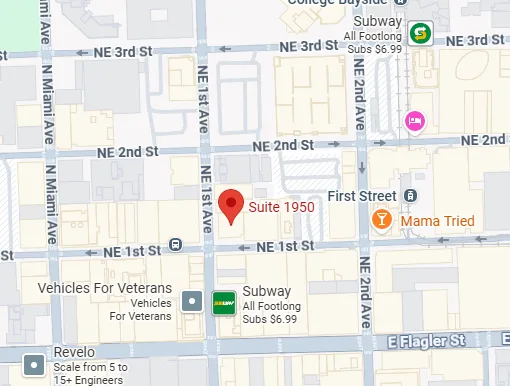
1200 Brickell Avenue, Suite 1950, Miami, FL 33131