"Karina took the time to understand our family's situation before recommending anything. The estate plan she put together gave us real peace of mind."
MGMaria G.
Miami, FL
Unresolved tax debt grows over time and the IRS has broad authority to collect what it is owed. KVasquez Law advises individuals and businesses in Miami on installment agreements and offers in compromise to help you reach a clear resolution.
featured on








"Karina took the time to understand our family's situation before recommending anything. The estate plan she put together gave us real peace of mind."
"I was facing a complicated tax matter and didn't know where to start. KVasquez Law gave me a clear plan and walked me through every step."
"Finally, a tax attorney who speaks plain English and Spanish. She explained everything without the legal jargon."
"KVasquez Law helped me get my estate plan in order after years of putting it off. Clear process, no pressure, and everything was explained in plain language."
Tax debt can accumulate quickly. Penalties and interest compound on unpaid balances, and the IRS has broad authority to pursue collection through liens, levies, and wage garnishments if a debt goes unresolved. The good news is that the IRS offers structured programs designed to help qualifying taxpayers resolve their debt in a manageable way.
KVasquez Law evaluates your financial situation, advises on which resolution options you realistically qualify for, and manages the application and negotiation process with the IRS on your behalf. The goal is a clear, legally sound resolution that protects your assets and gives you a defined path forward.
The two most commonly used IRS tax resolution programs are installment agreements and offers in compromise. They serve different purposes and apply to different financial situations.
An installment agreement is a formal payment plan with the IRS that allows you to pay your tax debt over time in monthly installments rather than in a single lump sum. Key points:
KVasquez Law advises on the right type of agreement for your situation, negotiates the terms with the IRS, and structures the arrangement in a way you can sustain.
An offer in compromise allows qualifying taxpayers to settle their IRS tax debt for less than the full amount owed. It is not available to everyone and the IRS applies a detailed eligibility assessment before accepting any offer. Key points:
KVasquez Law reviews your financial situation honestly before recommending this route. Not every taxpayer qualifies and filing an offer that does not meet the threshold costs time and fees without a realistic chance of acceptance.
Navigating IRS resolution programs without legal counsel is possible but carries meaningful risk. The IRS applies its own standards when evaluating installment agreement terms and offer in compromise eligibility, and those standards are not always in your favor without an informed advocate involved.

KVasquez Law reviews your full financial picture before recommending any resolution path. If you do not qualify for an offer in compromise, you will know that before an application is filed. If an installment agreement is the more realistic option, Karina advises on the terms that protect you best.
Every communication between you and KVasquez Law is protected by attorney-client privilege. The financial disclosures required in tax resolution matters are detailed and sensitive. Having that protection in place matters.
Karina manages all communication and negotiation with the IRS directly. You are not navigating the process alone or making representations to the IRS without legal guidance on what to say and what not to say.
KVasquez Law advises on steps to protect your assets while a resolution is being negotiated, including requesting a collection hold where appropriate and addressing any existing liens or levies as part of the broader resolution strategy.
Qualification depends on your income, expenses, asset equity, and ability to pay the full debt over the remaining collection period. The IRS uses a specific formula to assess eligibility. KVasquez Law runs that analysis before recommending this route so you have a realistic picture of your chances before any application is prepared.
The IRS generally approves installment agreements when the taxpayer meets the eligibility requirements and the proposed payment terms are consistent with their financial situation. However, the terms matter. An agreement structured at a monthly payment you cannot sustain will default, which reinstates collection activity and can worsen your position. KVasquez Law negotiates terms that are both acceptable to the IRS and realistic for you.
Filing an offer in compromise does suspend the IRS collection statute while the offer is under review and for 30 days after a rejection. However, it does not automatically stop all collection action. KVasquez Law advises on what to expect during the review period and whether additional protective steps are appropriate in your situation.
A rejected offer can be appealed to the IRS Independent Office of Appeals within 30 days of the rejection notice. KVasquez Law reviews the basis for the rejection and advises on whether an appeal is worth pursuing or whether an alternative resolution path makes more sense given your circumstances.
The IRS typically takes several months to review and process an offer in compromise application. More complex cases can take longer. During that period KVasquez Law monitors the status of your application and responds to any IRS requests for additional information.


Whether you're planning your estate, navigating a tax matter, or making a major business decision, the right time to get legal counsel is before the problem gets harder. Reach out today and we'll find a time that works for you.
Phone
(305) 359-7522
legal@kvasquezlaw.com
Office Address
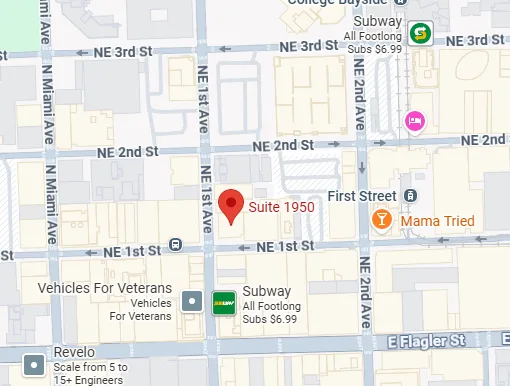
1200 Brickell Avenue, Suite 1950, Miami, FL 33131